

Insights from Chile’s partnership with PMI, from Juan Pedro Searle, Ministry of Energy . Photo: World Bank/Curt Carnemark
Over the past 15 years, Chile has made major advances in putting carbon pricing policies into practice. These include the introduction of a carbon tax in 2017 and, more recently, the launch of a complementary domestic offsetting mechanism in 2023. The Framework Law for Climate Change, adopted in 2022 establishes a legal basis for developing cap-and-trade systems to support compliance with the country’s climate commitments and strategies. With a planned Emissions Trading System (ETS) pilot in the energy sector—Chile is scaling up its ambitions. What does this mean for people? It means potential financing to clean up the air and accelerate the shift to renewable energy, creating new job opportunities and directly benefiting public health, and long-term economic stability.

Chile’s long-standing commitment to carbon pricing and carbon markets is reflected in its climate change framework and its latest Nationally Determined Contributions (NDC 3.0), which emphasize strategically using market instruments to mobilize financing and accelerate decarbonization. It is also demonstrated by Chile’s partnership with the World Bank through the Partnership for Market Implementation (PMI) and its predecessor—the Partnership for Market Readiness—dating back to 2010.
To learn more, we sat with Juan Pedro Searle, head of the Carbon Markets Development Unit at the Chilean Ministry of Energy to explore how Chile is moving from strategy to reality, what challenges lie ahead and what has been useful on their path so far.

Photo: Juan Pedro Searle
Why is Chile interested in participating in carbon markets and pricing?
Chile’s economic model is fundamentally market-driven, which has made the transition towards carbon pricing a natural fit. Our private sector recognized the value of putting a price on emissions, especially after our significant involvement in the Clean Development Mechanism (CDM) era. The CDM experience paved the way for developing governance systems and even influenced our carbon tax structure. Moreover, Chile’s ambitious Nationally Determined Contributions (NDC) highlight carbon pricing as a cost-effective tool to achieve climate goals.
What carbon pricing instruments, strategies, or policies are currently being developed or implemented in Chile?
Chile’s carbon tax, introduced in 2017, was the first legally binding instrument for carbon pricing. With support from PMI and the Partnership for Market Readiness (PMR), we’ve improved its implementation, notably by introducing an offsetting system and changing its threshold. We also developed domestic regulations for Article 6 under the Paris Agreement, setting up governance for project authorization and a positive list of qualifying projects. In the energy sector, we’re committed to launching a pilot cap-and-trade system, with several design alternatives expected by March next year.
Our policies now embed carbon pricing, such as increasing the carbon price to $35 per ton of CO₂ by 2030 and potentially up to $80 by 2040. These measures are mainstreamed across energy, climate change and green hydrogen plans, influencing investment portfolios and supporting the transition to cleaner energy sources.

How has PMI supported Chile in these processes, and what outcomes are expected from this collaboration?
PMI has been an extremely important cooperative initiative, providing both funding and technical support tailored to our needs. With PMI’s backing, we are able to implement carbon pricing tools under Chile’s climate change law, including enhancing the carbon tax and building comprehensive offsetting systems. PMI’s support also extends to Article 6 implementation and the planned cap-and-trade system for the energy sector. The expected outcome is to successfully launch a pilot cap-and-trade program and, with continued collaboration and traction from stakeholders, move toward full implementation, helping Chile meet its climate commitments.
Beyond funding, what might you say has been a valuable aspect of collaboration through PMI?
One of the greatest benefits is the opportunity to exchange ideas and experiences with peers from other countries. The PMI Global Knowledge Forum and workshops provide direct feedback from jurisdictions at various stages of carbon pricing implementation. These interactions help us learn what works, avoid pitfalls, and build capacity. The community aspect and technical resources are invaluable for shaping effective strategies.
How does collaboration with other Latin American and Caribbean countries benefit Chile and the region at large?
Engaging with regional partners is crucial. By sharing experiences and lessons learned, we can develop robust instruments and potentially link systems, amplifying our collective impact. The region lacks a unified voice on carbon pricing, and building partnerships—similar to Africa’s regional alliances—can enhance support and global attention for our climate initiatives.
Can you share any personal highlights from your experience working with PMI?
PMI’s support has been tailored and flexible, crucial for our progress. Sitting with peers at different stages of carbon pricing and receiving capacity-building has been extremely valuable. A standout moment was representing Chile at Innovate4Climate 2025, where the PMI global team provided resources for our booth, facilitating high-profile networking and showcasing our advancements.
In conclusion, are there any additional comments or suggestions regarding potential areas for future involvement?
Looking ahead, I believe with PMI support, we could together raise the profile of carbon pricing initiatives among high-level officials, facilitating broader outcomes. While Chile has advanced in laws and policies, we’re working on expanding engagement at top levels to accelerate greater progress. Continued PMI support in capacity-building, knowledge sharing, and technical guidance remains vital to our success.
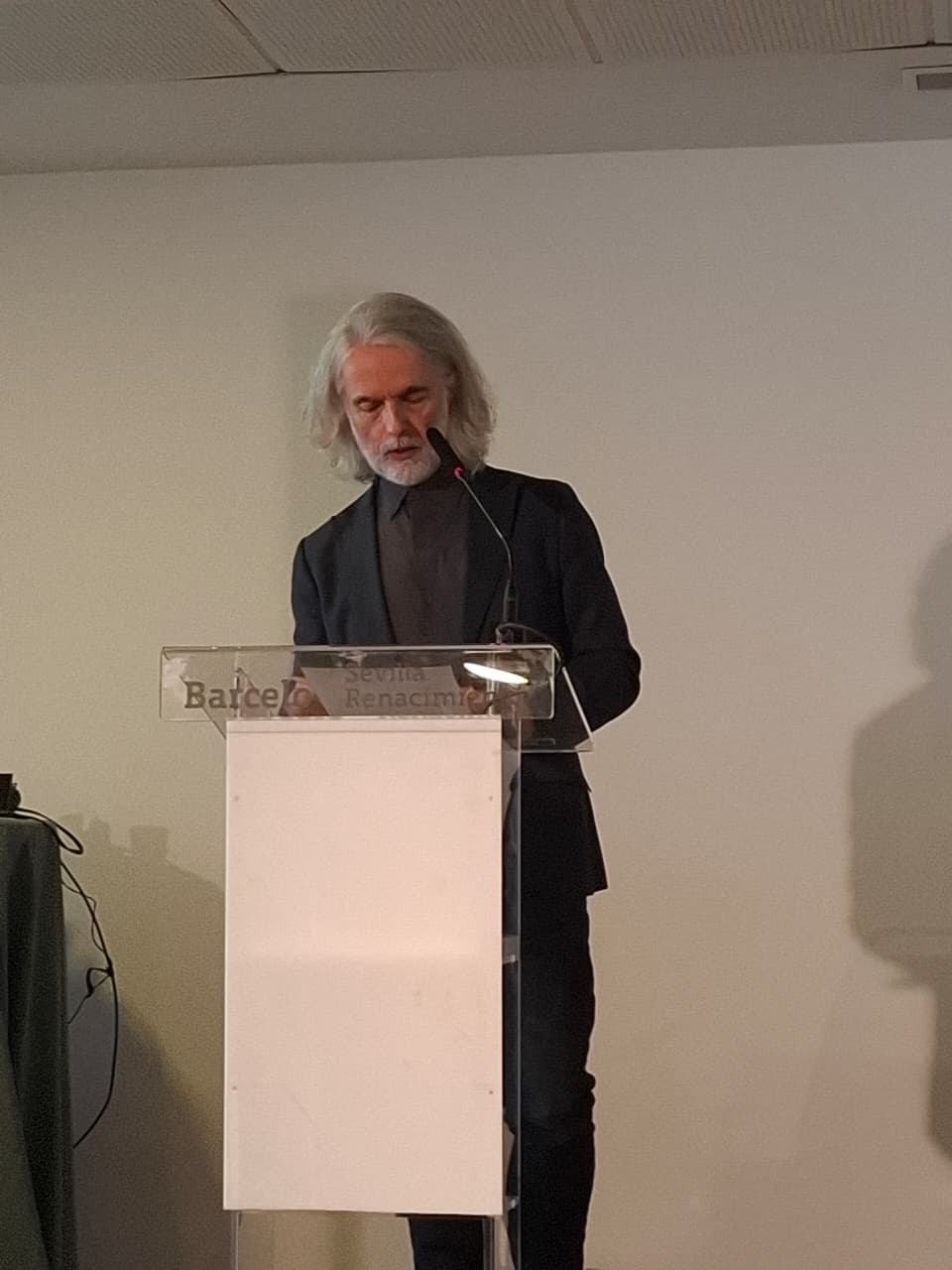
Photo: Juan Pedro Searle